The TIAFT Young Scientist Committee (YSC) was formed in 1996 to support the aims of the organization by encouraging research, promoting education and training, and providing a forum for discussion among members under the age of 40.
Aims of the Committee
The first objective of the YSC is to provide a scientific and social platform for young scientists to engage amongst peers and encourage international collaboration.
The secondary objective of the YSC is to provide adequate tools for young scientists to develop their future careers by encouraging education and training, and critical discussion through a half-day YSC Symposium during each annual meeting.
The third objective of the YSC is to create visibility for upcoming talented young scientists via the acknowledgement of their scientific work through 3 annual awards at the TIAFT annual meeting:
- the best oral presentation by a Young Scientist during the TIAFT conference,
- the best poster presentation by a Young Scientist during the TIAFT conference, and
- the best scientific paper published during the previous year.
The winners of the 3 prizes will be announced at the TIAFT business meeting, and the prizes will be awarded at the Farewell Banquet during each meeting.
To get more information about YSC awards (eligibility, guidelines, winners), please refer to the Young Scientists Awards page.
Current Committee
The Young Scientists Committee consists of:
Chair
Bronwen Davies (South Africa)
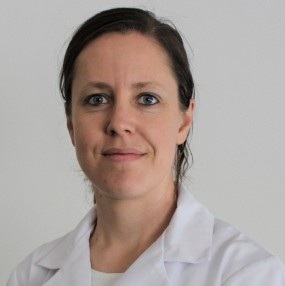
Bronwen Davies is the Chief Forensic Toxicologist and Scientific Manager of the Forensic Toxicology Unit (FTU) within the Western Cape Government: Forensic Pathology Service, South Africa. She established the FTU in 2016, creating the country’s first provincial public forensic toxicology laboratory with the vision of transforming forensic toxicology in South Africa. Alongside leading this team, she lectures and supervises postgraduate research within the Division of Forensic Medicine and Toxicology at the University of Cape Town. Bronwen has been a member of TIAFT since 2016, and as Chair of the TIAFT Young Scientists Committee (YSC) is committed to empowering early-career toxicologists, strengthening global collaboration, and shaping a future where young scientists play a central role in advancing forensic toxicology worldwide.
Secretary
Lea Wagmann (Germany)
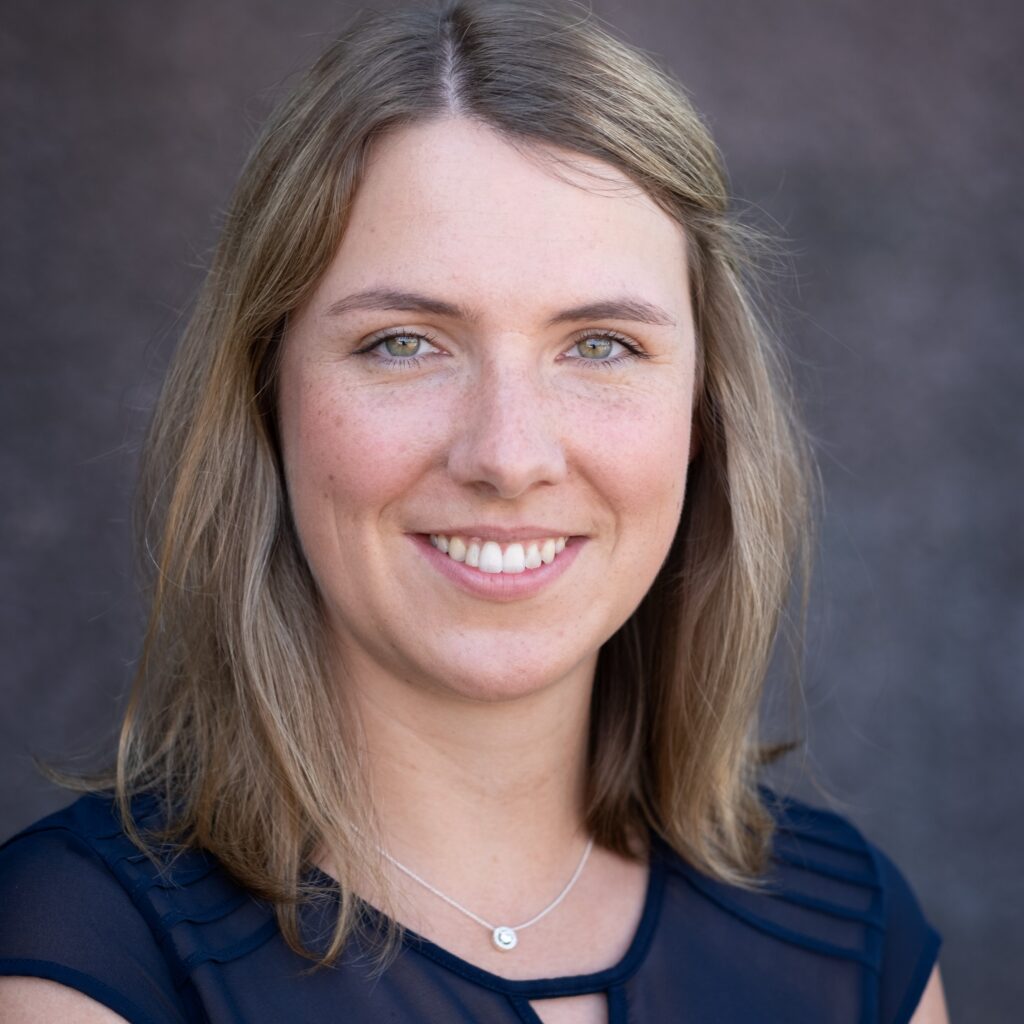
Lea is currently working as a postdoctoral researcher at the Department of Experimental and Clinical Toxicology and Pharmacology (Prof. Dr. Markus R. Meyer, Saarland University) in Homburg, Germany. She received her PhD in 2018 for her thesis “Psychoactive Substances as Substrates or Inhibitors of Enzymes in Drug Metabolism and Transport” supervised by Prof. Dr. Dr. h. c. Hans H. Maurer (Saarland University). Lea is Clinical Toxicologist GTFCh and is actively involved in the laboratory’s emergency toxicology service. She also teaches medical and pharmacy students. Her research mainly focuses on the toxicokinetics of new psychoactive substances and the development of bioanalytical procedures for therapeutic drugs to assess patient adherence or detect intoxications. Her first TIAFT conference was in Ghent in 2018. Lea joined the Young Scientist Committee the following year in Birmingham and is looking forward to all future TIAFT meetings.
Committee Members
Ana Miguel Pego (USA)
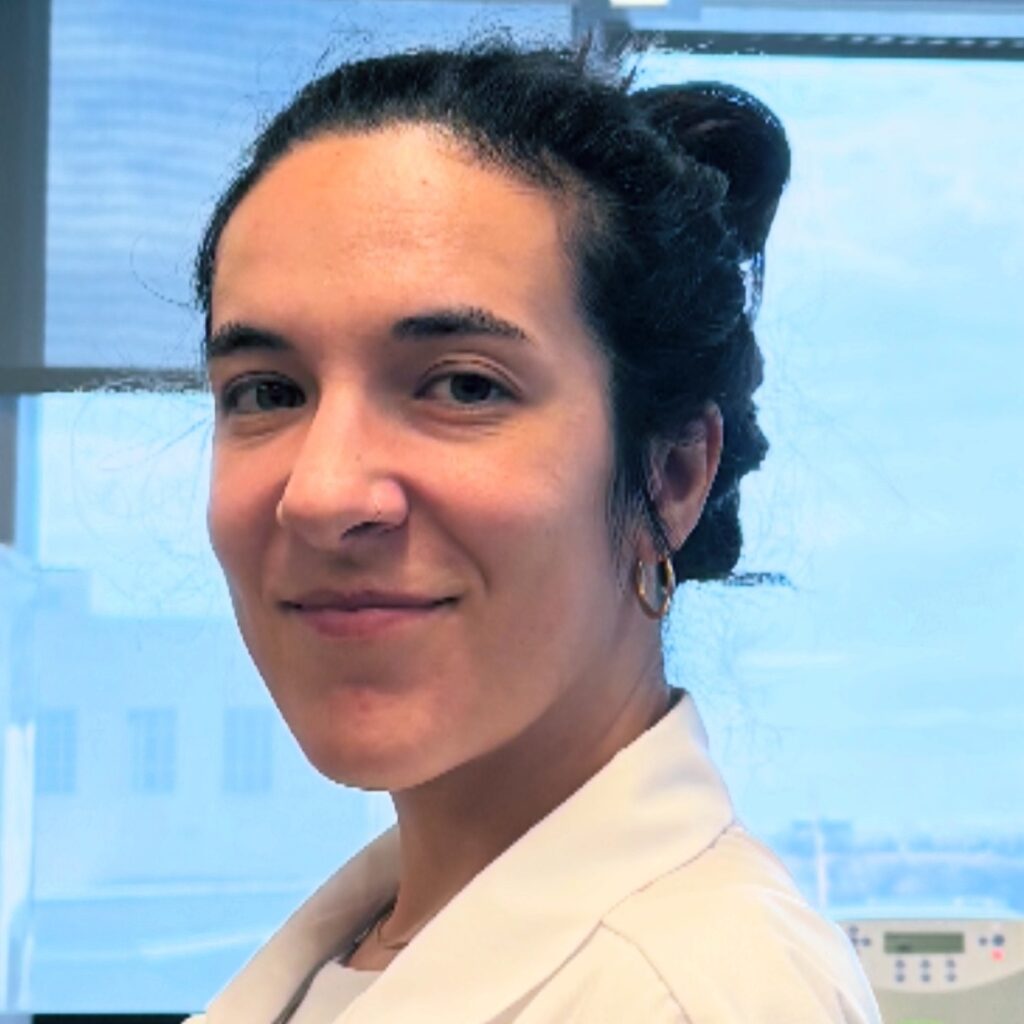
Ana Pego is an Assistant Professor of Forensic and Analytical Toxicology at John Jay College of Criminal Justice in New York, where she teaches and mentors undergraduate and graduate students while leading a vibrant research group. Her work focuses on hair analysis, postmortem toxicology, and the detection of emerging psychoactive substances, often combining novel analytical techniques with real-world public health questions and harm reduction interventions. Ana earned her BSc in Forensic Investigation and MSc in Forensic Toxicology in Scotland, completed her PhD in Brazil, and a postdoc in the Netherlands before moving to the US. A long-time TIAFT member, she has attended its annual meetings for over 12 years. Ana has delivered 46 invited talks around the world and received the Distinguished Teaching Prize for her engaging approach. When not in the lab, she can be found in her native Douro Valley (Portugal) attempting to perfect her own Port wine.
Jinni Yan (Australia)
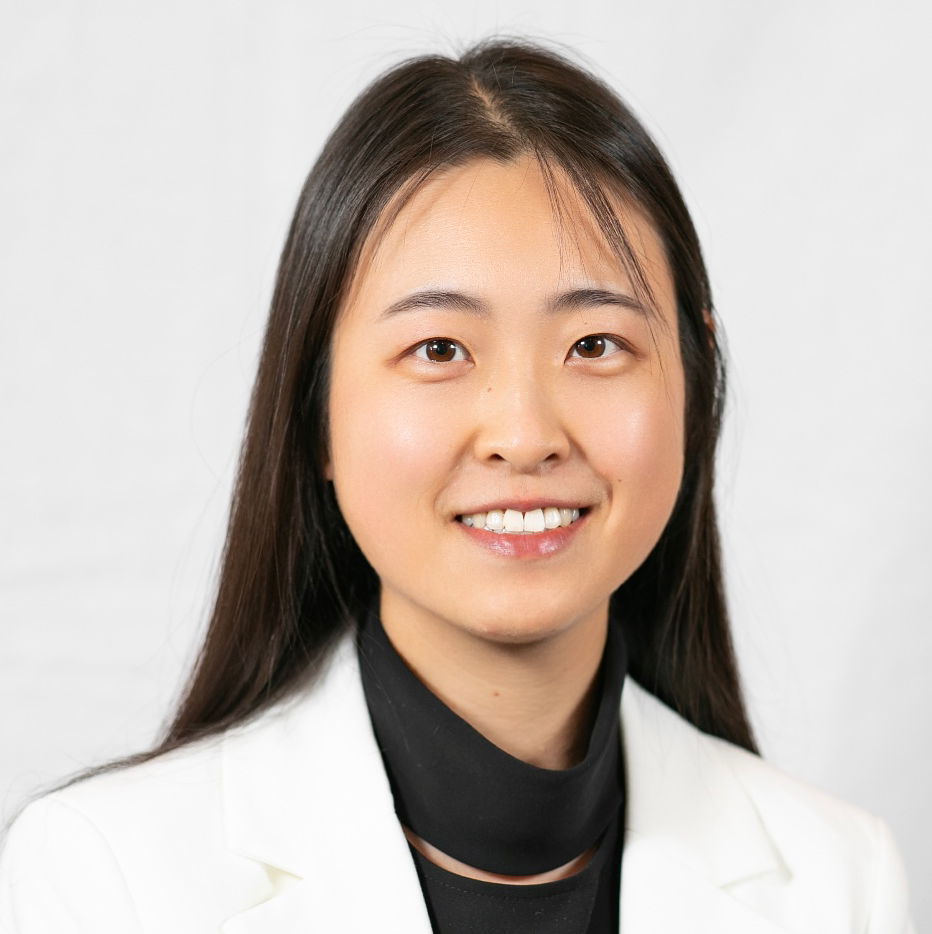
Jinni is a Lecturer in Analytical Chemistry at the University of Technology Sydney (UTS) and an emerging early career leader in clinical mass spectrometry and multi-omics research. Her work is driven by a strong passion for translating research into clinical applications. She leads biomarker discovery and translational studies, cannabinoid clinical trials, and provides real-world evidence to inform treatment decisions and guide therapeutic expectations. Her research focuses on developing biomarker platforms for use in forensic post-mortem investigations and the clinical diagnosis of diseases that pose significant global public health burdens. Jinni was awarded her PhD in Clinical Toxicology and Biochemistry from UTS in 2021, under the supervision of Professor Shanlin Fu. She subsequently completed a Postdoctoral Research Fellowship at the Children’s Hospital at Westmead and the University of Sydney, where she focused on biomarker discovery and translational research in childhood neurological disorders.
Lana Brockbals (Switzerland)
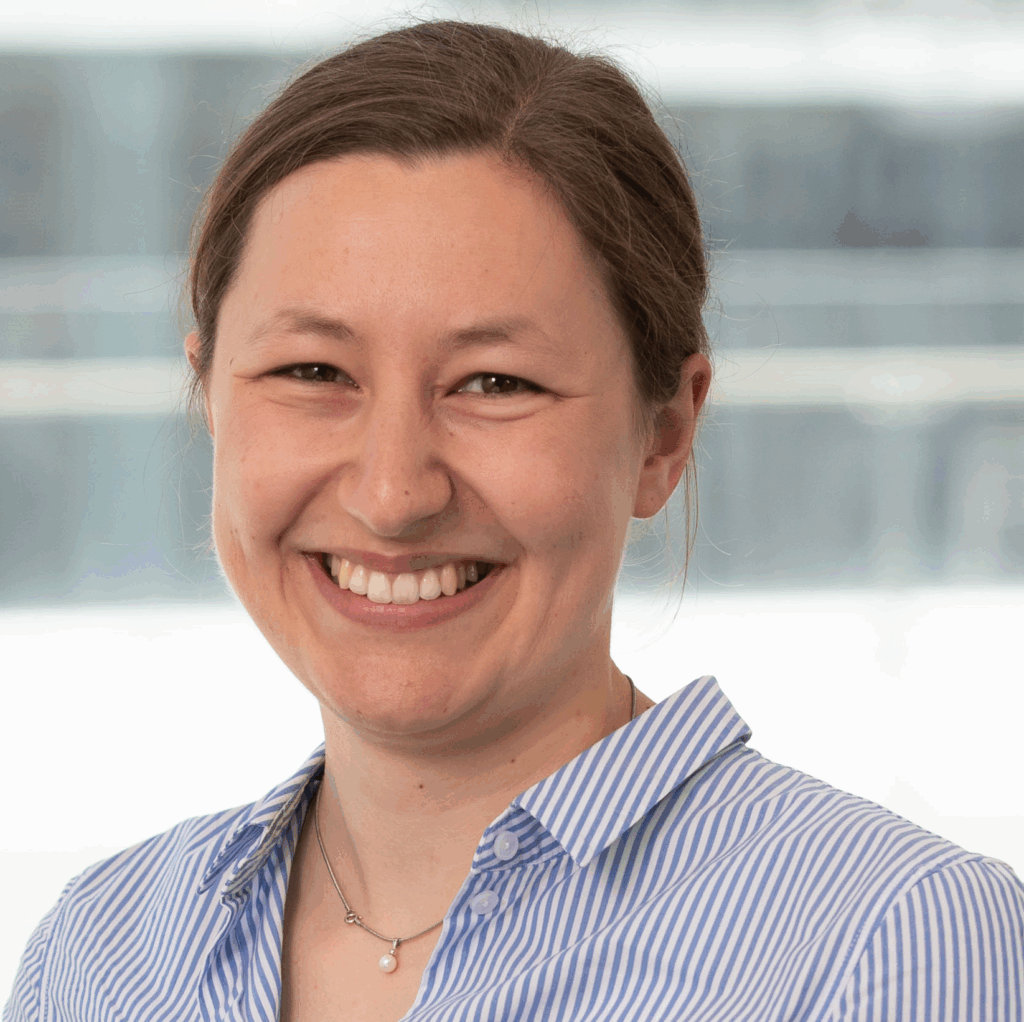
Lana is currently working as a forensic toxicologist and postdoctoral researcher at the Department of Forensic Pharmacology and Toxicology within the Zurich Institute of Forensic Medicine in Switzerland with a strong research focus on developing untargeted LC-MS/MS-based metabolomics and proteomics methods for application in forensic toxicology, particularly to study postmortem changes. Originally from Germany, Lana studied Forensic and Analytical Sciences in both Germany and the UK and completed her PhD at the Zurich Institute of Forensic Medicine investigating time-dependent postmortem redistribution of various drugs (of abuse) and its potential correlation with endogenous small molecules. Afterwards, Lana spent 6 months as a postdoctoral researcher in Cologne (Germany) at the Center for Preventive Doping Research and 18 months at the Centre for Forensic Science at the University of Technology Sydney (Australia). She is excited to be joining the Young Scientist Committee to foster and promote international connections among young colleagues.
Liam J. Ward (Sweden)
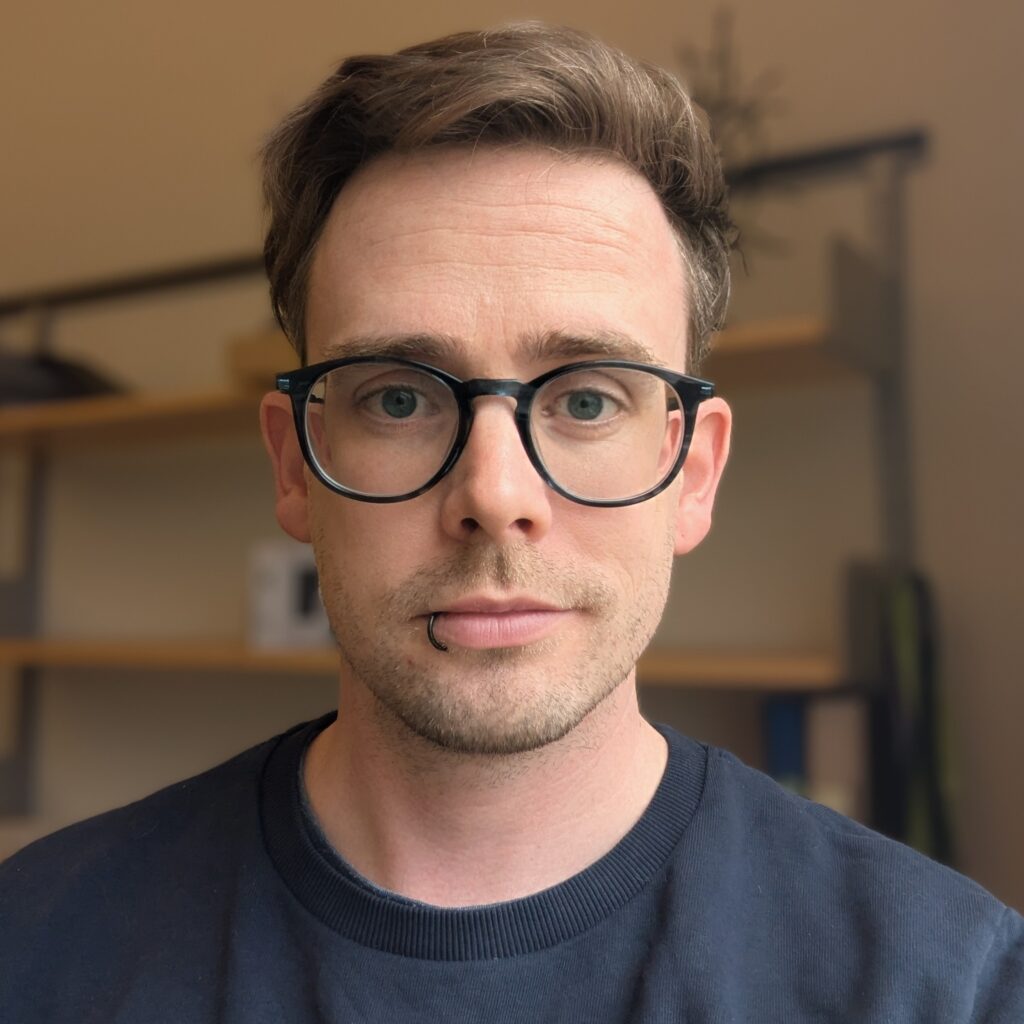
Liam is an Associate Professor in Forensic Medical Sciences at the Swedish National Board of Forensic Medicine and Linköping University. He has a background in Pharmaceutical Science and Medical Biology, having studied in both the UK and Sweden, and completed his PhD at Linköping University in 2019. After a postdoc at Karolinska Institutet, Liam joined the Swedish National Board of Forensic Medicine, where he works in the postmortem metabolomics group. Here, Liam helps coordinate the research environment “How to Solve Murders with Postmortem Metabolomics and Artificial Intelligence.” Liam’s research focuses on advancing metabolomics to better understand forensic toxicology and medicine, with the long-term goal of integrating proteomics and systems biology. Liam attended his first TIAFT meeting in 2022 at Versailles and isexcited to contribute to the Young Scientists Committee, enjoying the fresh perspectives that early career researchers bring to the field.
Xin Wang (China)
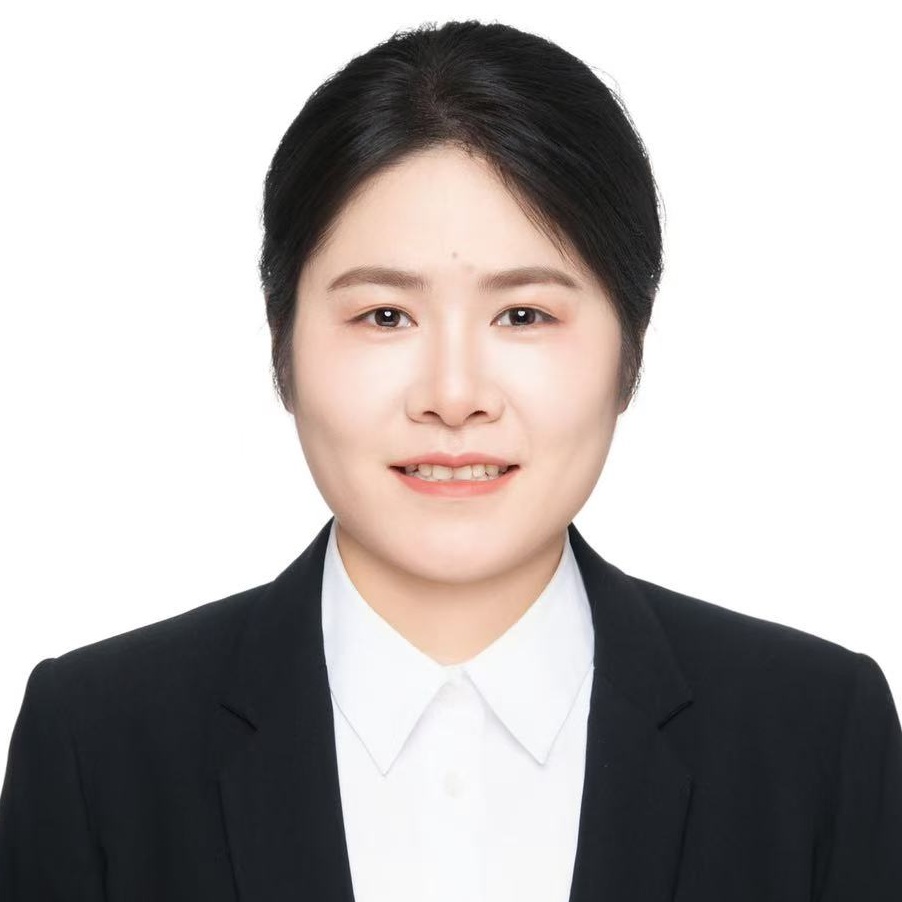
Xin is currently an Associate Professor of Forensic Toxicology at the Academy of Forensic Science in Shanghai, China. Her research focuses on the application of hair analysis in forensic toxicology, New Psychoactive Substances, and analytical method development and validation. Xin completed her postdoctoral research at both University of Copenhagen (2017-2018) and Academy of Forensic Science (2018-2020, supervised by Prof. Min Shen). She earned her PhD from University of Copenhagen, where she was supervised by Assoc. Prof. Sys Stybe Johansen and Prof. Kristian Linnet. During Xin’s doctoral studies, she undertook a training placement (supervised by Prof. Olaf Drummer) at the Victorian Institute of Forensic Medicine. Xin holds a master’s degree from the Shanghai Institute of Forensic Science, Shanghai Key Laboratory of Crime Scene Evidence (supervised by Prof. Yurong Zhang). Xin is also a member of the Society of Hair Testing (SoHT).
Past Committee Members
- Sarah Eller (Brazil)
- Luke Rodda (United States)
- Elena Lendoiro (Spain)
- Francesco Busardò (Italy)
- Daniel Pasin (Australia)
- Shimpei Watanabe (Japan)
- Rafael Lanaro (Brazil)
- Ariane Wohlfarth (Germany)
- Thomas Kraemer (Germany)
- Olivier Plaut (Switzerland)
- Rebecca Jufer (USA)
- Nele Samyn (Belgium)
- Marc Le Beau (USA)
- Robert Kronstrand (Sweden)
- Serap Annette Akgur (Turkey)
- Frank Peters (Germany)
- Federica Bortolotti (Italy)
- Simon Elliot (UK)
- Nahoko Uchiyama (Japan)
- Sooyeun Lee (Korea)
- Helena Teixeira (Portugal)
- Jochen Beyer (Switzerland)
- Marta Concheiro (USA)
- Kei Zaitsu (Japan)
- Sarah Wille (Belgium)
- Markus Meyer (Germany)
- Luca Morini (Italy)
- Dimitri Gerostamoulos (Australia)
- Pascal Kintz (France)
- Alain Verstraete (Belgium)
- Carmen Jurado (Spain)
- Fiona Couper (USA)
- Aldo Polettini (Italy)
- Pierre Marquet (France)